
Blog
Local Moving Cost & Process: What to Expect When You Hire Emerald Coast Movers
Published by Emerald Moving & Storage • 1,200 words • 8 min read A local move is a relocation that stays within the same area, generally under about 100 miles, priced by the hour rather than by weight and distance. If you are moving across town or to the next...
Long-Distance Moving From the Emerald Coast: Cost, Timeline & Planning Guide
Published by Emerald Moving & Storage • 1,200 words • 8 min read A long-distance move is a relocation that crosses state lines or travels beyond roughly 100 miles, priced and regulated differently from a local move and planned on a longer timeline. Moving from the...
How to Choose a Moving Company in Florida: Licensing, Insurance & Red Flags to Check
Published by Emerald Moving & Storage • 1,200 words • 8 min read Choosing a moving company is the process of verifying that a mover is legally licensed, properly insured, and transparent in its pricing before you trust it with your belongings. Florida consistently...
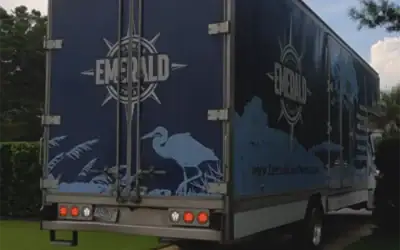
Think You Could Back This Truck In Here?
Backing a full-size moving truck into a tight driveway is one thing. Doing it from a narrow residential road with almost no room to work is another. The Emerald Coast Moving & Storage crew got this truck positioned in one shot and ready for the move. It's just one...

How Much Does It Cost to Hire Movers on the Emerald Coast? (2026 Pricing Guide)
Published by Emerald Moving & Storage • 1,200 words • 8 min read The cost to hire movers is the total price a moving company charges to relocate a household, built from labor, transportation, and any added services like packing or storage. On the Emerald Coast,...
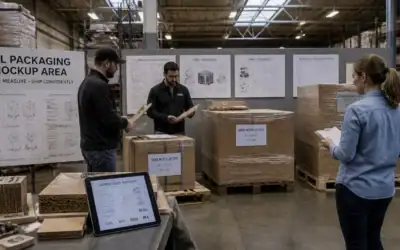
Receiving Foreign and Domestic Shipments: How Designers Handle Customs, LTL, and Freight Consolidation
Published by Emerald Moving & Storage • 1,200 words • 8 min read Freight receiving is the process of accepting, inspecting, and logging shipments that arrive by commercial carrier rather than by a small package service, and for design projects those shipments...
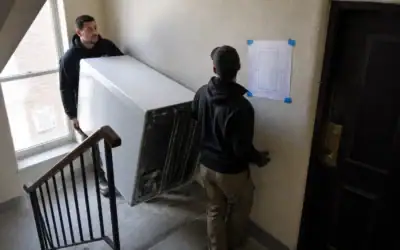
Elevator, Stairwell, and Doorway Surveys: Pre-Move Access Checks That Prevent Install-Day Failures
Published by Emerald Moving & Storage • 1,200 words • 8 min read An access survey is a pre-move inspection of every path a piece of furniture must travel from the truck to its final position, measuring the doorways, stairwells, elevators, and turns to confirm each...
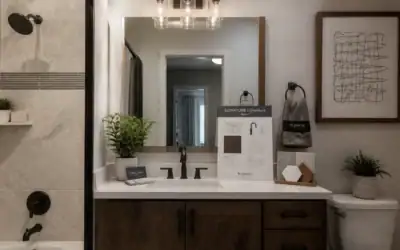
Model Home and Spec-Build Furnishing: Staging, Storing, and De-Staging on the Builder’s Schedule
Published by Emerald Moving & Storage • 1,200 words • 8 min read Model home furnishing is the process of staging, storing, and eventually removing the furniture and decor that turn a builder's spec home or model unit into a showable, sellable space. Unlike a...
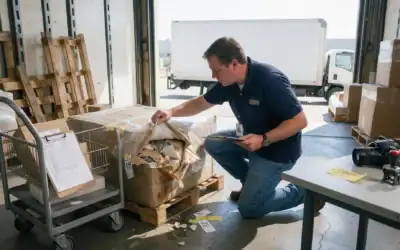
Freight Claims Without the Headache: Documenting Concealed Damage the Right Way
Published by Emerald Moving & Storage • 1,200 words • 8 min read Concealed damage is damage to a shipment that is not visible from the outside of the packaging and is discovered only after the carton is opened, sometimes days after delivery. A freight claim is the...
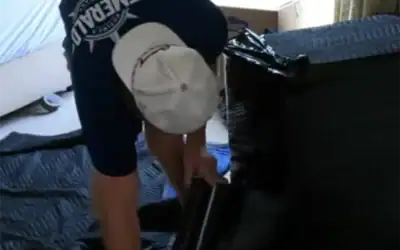
This Is What Protecting a Home Actually Looks Like
A professional move starts with protecting more than just what's being moved. Before the first piece of furniture leaves the house, floors are covered, doorways are lined, and every piece is carefully wrapped and protected. Because doing the job right means leaving...
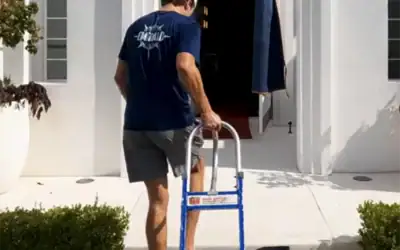
Everything Was Perfect… Until It Wasn’t
Moving out of a high-end home takes more than muscle. It takes precision. From backing a full-size truck into a tight driveway to lining floors and doorways for protection, every detail is handled with care. Each piece of furniture is carefully wrapped before it ever...
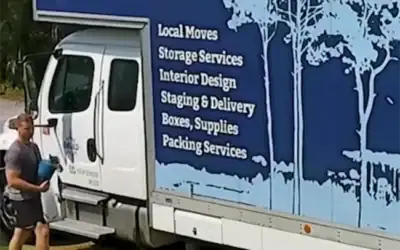
From the Emerald Coast to Anywhere
Moving doesn’t always mean moving across town. Sometimes the next chapter takes you hundreds or thousands of miles away. Emerald Coast Moving & Storage handles long-distance moves with the same care, organization, and attention to detail we bring to every move here at...