
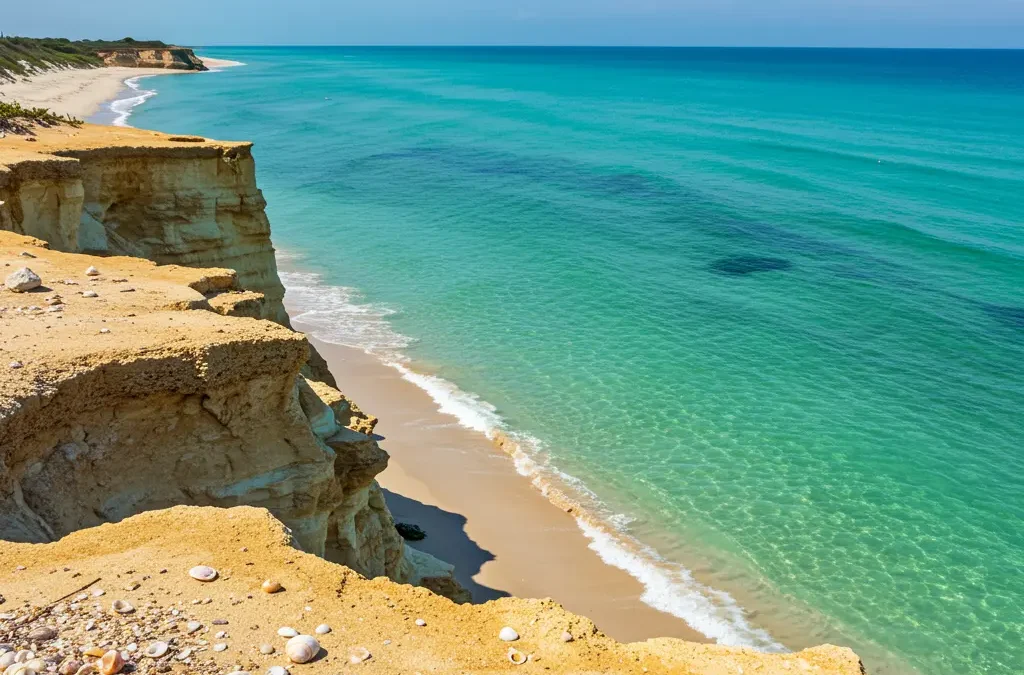
The cost of living on the Emerald Coast in Florida is a crucial consideration for anyone looking to relocate to this picturesque stretch of the Florida Panhandle. Known for its emerald-green waters, sugar-white sand beaches, and charming coastal towns like Destin and Fort Walton Beach, the Emerald Coast offers an alluring lifestyle. But behind the stunning views and laid-back vibes lies a financial reality rooted in insurance premiums, property taxes, and utility costs that can significantly affect your overall budget.
In this post, we break down the real-world costs that come with living in this coveted area, particularly focusing on often-overlooked but essential components such as Florida Panhandle homeowners insurance rates, property taxes in Walton vs. Okaloosa County, flood insurance costs in Destin, FL, and utilities cost in the Florida Panhandle. Whether you’re a current resident, a relocation candidate, or an investor, understanding these numbers is fundamental to making informed decisions.
Understanding the Cost of Living in the Emerald Coast
The question that often arises is: Is the Emerald Coast expensive? The answer isn’t black and white. While housing prices, particularly near the beach, can be high, the overall cost of living in comparison to other coastal areas in the U.S. remains competitive. However, several underlying factors must be scrutinized.
For example, transportation costs are relatively modest here due to shorter commutes in comparison to major metropolitan areas. Nevertheless, reliance on personal vehicles due to limited public transport can create cost variability depending on gas prices and vehicle maintenance. Additionally, the region’s economy, heavily driven by tourism, can impact the cost of local goods and services, especially during peak vacation seasons. Understanding these cyclical price shifts is important for both full-time residents and seasonal homeowners.
Homeowners Insurance in the Florida Panhandle
The beauty of coastal life comes with the price of vulnerability—specifically to hurricanes and tropical storms. That risk is directly reflected in Florida Panhandle homeowners insurance rates. In 2026, these rates have climbed sharply compared to inland Florida areas, largely due to increased storm activity and tighter mitigation regulations.
How Much Is Homeowners Insurance in the Emerald Coast?
Residents on the Emerald Coast face annual premiums that often range between $3,000 and $6,000, depending on the property’s age, location, elevation, and construction type. Oceanfront properties and older homes built before updated Florida building codes typically cost much more to insure. Additionally, homeowners in tiny, lesser-known communities may struggle more to find underwriters willing to quote policies without imposing heavily restrictive conditions or surcharges.
Retrofitting a home with impact-resistant features like reinforced garage doors and metal roofs can also play a key role in reducing rates, though these improvements come with up-front costs that may not make sense for all property owners. For second homeowners or those using homes as vacation rentals, it’s also worth noting that quotes can be considerably higher due to different underwriting standards and exclusions for part-time occupancy.
Mitigating High Premiums
- Bundle policies: Combining homeowners and auto insurance may lead to discounts.
- Improve mitigation: Install hurricane-resistant windows and reinforce structures.
- Shop annually: Policies and premiums change frequently. Stay proactive in getting quotes each year.
- Partner with insurance brokers: Brokers often have access to insurers not available to the general public and can provide valuable advice on coverage levels and hidden exclusions.
- Request wind mitigation inspections: A formal inspection may qualify your home for discounts based on unique features like roof shape and attachment methods.
Flood Insurance Costs in Destin, FL
Flood insurance cost in Destin, FL, and neighboring beach communities is another layer of the cost structure. Even if you’re not federally required to carry it (depending on elevation and mortgage type), it’s a sensible safeguard given the area’s flood risk.
In 2026, the National Flood Insurance Program (NFIP) revised its pricing model under Risk Rating 2.0, significantly impacting premiums. In high-risk zones (VE and AE), residents in Destin typically pay $800 to over $3,000 annually, depending on their home’s elevation and coverage level. Private insurers may offer alternatives, but they often cap coverage and vary in reliability.
It’s important to highlight that newly constructed homes closer to the waterfront are more likely to qualify for favorable premium brackets if they are built to updated elevation and construction standards. Conversely, older homes—especially those without proper elevation above the base flood level—may face dramatically higher premiums under the revised model. It is also worth noting that lenders often have the discretion to require more comprehensive coverage than regulations demand, particularly for jumbo loans and high-value properties.
Factors That Increase Your Flood Insurance Rates
- Location in flood zone: Homes in VE zones pay the highest premiums.
- Building elevation: Properties built above base flood levels benefit from reduced costs.
- Previous claims: Homes with prior flood losses often pay more.
- Structure type: Elevated homes on pilings may qualify for significant savings.
- Community Rating System (CRS) score: Local governments that participate in FEMA’s CRS program can indirectly help residents earn policy discounts.
Saving on Flood Insurance
Learn the elevation of your property and consider obtaining an official Elevation Certificate. If the structure sits above the base flood elevation, you may qualify for significant premium reductions. Also, investigate private market options that may offer competitive pricing.
In addition, some communities actively pursue eligibility in the FEMA Community Rating System. These programs reward local floodplain management and preparedness efforts with tier-based discounts for residents on their NFIP flood insurance policies. It makes sense to check with your municipal planning office to learn if those savings are available in your ZIP code.
Property Taxes: Walton vs. Okaloosa County
Another significant cost is property taxes in Walton vs. Okaloosa County, and the difference is impactful when comparing communities like Santa Rosa Beach (Walton) and Fort Walton Beach (Okaloosa).
Walton County Property Tax Breakdown
In 2026, Walton County’s average millage rate stands around 13.5 mills. With rising property values, particularly in beachfront zones, total taxes on newer homes can often exceed $5,000 per year, even for homes valued just around $500,000. Couple that with more frequent property reassessments, and long-term affordability becomes a serious concern—especially for retirees on fixed incomes.
Many property buyers are surprised to find that short-term rental income potential can also indirectly inflate assessments, especially in vacation hotspot neighborhoods. If your home is located in a district zoned for resort or tourist lodging, your property could be evaluated with commercial-like comparables—even if it’s a single-family home.
Okaloosa County Property Tax Comparison
Okaloosa County offers a relatively modest rate—with an effective rate closer to 11.2 mills—making it a more affordable option in terms of ongoing tax obligations. For the same assessed home value, Okaloosa homeowners may pay approximately $1,000 less per year compared to their Walton County neighbors. Over a decade, that seemingly small difference adds up to over $10,000 in savings.
Homestead Exemption
Florida’s Homestead Exemption provides up to $50,000 in tax exemption for primary residences, dramatically lowering the annual burden for full-time residents. It also caps any annual property valuation increase at 3%, protecting long-term owners from sharp tax jumps.
It’s important to file for this exemption promptly after moving into your home, as the exemption is not retroactively applied. Additionally, be aware that you must relinquish exemptions in other states to qualify in Florida. For full-time residents, this is often one of the most beneficial ways to keep year-over-year costs predictable and manageable.
Utilities Cost in the Florida Panhandle
The utilities cost in the Florida Panhandle is generally in line with the statewide average, but regional climate patterns and coastal factors play a role. Residents in Emerald Coast towns like Navarre, Niceville, and Panama City should anticipate the following utility expenses:
Average Monthly Utility Bills
- Electric: $130–$200/month during peak summer (due to high A/C usage)
- Water & Sewer: $60–$100 depending on usage and service provider
- Trash / Recycling: Typically bundled around $25/month
- Internet: $60–$90/month for high-speed fiber or cable internet
Other optional costs include lawn irrigation systems and whole-house water filtration, which can elevate utility bills by $20–$40 monthly depending on use. Additionally, households that use heated pools year-round will encounter significantly higher electric bills if not equipped with solar panels or energy-efficient systems.
Tips for Lowering Utility Bills
- Upgrade to smart thermostats: Helps regulate temperature efficiently during peak heat seasons.
- Inspect for insulation leaks: Prevent loss of cool or hot air and minimize energy waste.
- Switch to LED lighting: Cuts down electricity usage significantly.
- Leverage time-of-use plans: Some utility companies offer discounts for using power during off-peak hours.
- Install solar panels and energy-efficient appliances: Long-term investments can substantially cut down recurring expenses over the lifespan of your home.
Cost of Living in the Emerald Coast vs. Other Areas
So, alongside insurance and taxes, how do other cost categories fare? Compared to other Florida metropolitan areas like Miami or Naples, the cost of living on the Emerald Coast, Florida is less expensive in terms of groceries, healthcare, and transportation. However, due to rising home values and insurance hikes, some coastal towns have become premium living zones.
Average Costs Breakdown (2026)
- Median Home Price: $480,000 in coastal areas
- Rental Costs: $2,200/month for a 3-bed rental near the beach
- Transportation: Gas prices average $4.10/gallon; limited public transportation
- Groceries: Slightly higher than the national average (due to logistics costs)
- Healthcare: 5–10% below Miami and Naples costs, with excellent access to beachside hospitals and urgent care centers
Is the Emerald Coast Expensive in 2026?
From a purely cost-based lens, the Emerald Coast can be considered moderately expensive relative to its peers in Florida. The rising cost of insurance—particularly Florida Panhandle homeowners insurance rates and flood insurance cost in Destin, FL—coupled with increased property taxation in areas like Walton County, contributes to a spike in overall living expenses.
However, those looking for value in stunning natural beauty, no state income tax, and a laid-back coastal lifestyle may find that the trade-offs are entirely worth it. Especially for retirees or remote workers, the lifestyle advantages may far outweigh the financial considerations. The availability of outdoor activities, low crime rates, and a strong community events calendar all serve to increase the non-monetary value of living here.
Moving to the Emerald Coast?
If you’re planning a move, it’s wise to work with experienced Emerald Coast movers who understand the unique needs and logistical challenges of a coastal relocation.
Don’t forget that moving costs can vary seasonally and that access to waterfront homes might require special transportation permits or scheduling coordination, especially during peak tourism months. Discuss insurance for valuable items, plan ahead for weather disruptions, and make a checklist that includes utility connections and Homestead Exemption filings.
Conclusion
In 2026, the cost of living on the Emerald Coast of Florida has continued to climb but remains within reason for those who understand the trade-offs. While Florida Panhandle homeowners insurance rates and flood insurance cost in Destin, FL require careful budgeting, strategic planning can help manage costs. The choice between property taxes in Walton vs. Okaloosa County can notably affect long-term affordability.
Utilities remain manageable, and the absence of state income tax continues to attract new residents. Whether you’re seeking a vacation property, retirement home, or a family-friendly town near the beach, being aware of these costs ensures a smoother transition and sustained quality of life. With proactive planning and expert local guidance, living on the Emerald Coast doesn’t just remain a dream—it becomes an achievable, enjoyable reality.